
Understanding ACFT Deadlift Scores: A Comprehensive Guide
페이지 정보

본문
Starting Position: The lift begins with the barbell resting on the ground. Proper Setup: The lifter must position themselves correctly at the barbell. Feet should be shoulder-width apart, with the barbell directly over the midfoot. The lifter must lift the barbell to a standing position, fully extending the hips and knees while keeping the shoulders back and the chest up. Repetitions: The lifter must complete three consecutive repetitions without dropping the barbell. Grip: The lifter can use either a double overhand grip or a mixed grip (one palm facing the lifter, the other facing away). Rest Period: Lifters may take a rest period between attempts, but the rest should not exceed two minutes to maintain the intensity of the test. Each repetition should be performed with the same technique and form as the first. However, the use of lifting straps is generally prohibited as they can alter grip strength measurements. The grip must remain consistent throughout the lift. Equipment: Lifters are allowed to use weightlifting belts, chalk, and specialized footwear.
The score reflects the lifter's performance relative to their body weight, with higher scores indicating greater strength levels. For instance, a lifter weighing 80 kg who successfully lifts 160 kg would receive a score of 1.0, indicating they have achieved a standard level of strength for their weight class.
Nutrition: A well-balanced diet that includes sufficient protein, carbohydrates, and fats is essential for fueling workouts and aiding recovery. Proper nutrition can significantly impact performance and strength gains.
Army's physical fitness program, designed to assess soldiers' physical readiness for combat. The Army Combat Fitness Test (ACFT) is a pivotal component of the U.S. As the ACFT evolves, particularly with the anticipated changes and scoring adjustments set for 2026, it is essential for soldiers and commanders to understand what these scores mean and how they will impact overall fitness evaluations.
One of the most significant adjustments is the scoring system, which has been refined to better account for age and gender differences. This change acknowledges that physical performance can vary widely based on these factors, allowing for a more equitable assessment of soldiers' fitness levels. The 2026 score chart introduces several notable changes aimed at enhancing the test's fairness and effectiveness.
For instance, soldiers who score in the highest tier (540 and above) can earn up to 100 promotion points, while those in the lower tiers receive fewer points. This scoring system incentivizes soldiers to improve their physical fitness and achieve higher scores on the ACFT. In the current system, soldiers earn points based on their ACFT scores, with higher scores translating into more promotion points.
Strength Training: Incorporating compound lifts such as squats, bench presses, and rows can enhance overall strength, which is beneficial for improving deadlift performance. Accessory exercises like Romanian deadlifts, kettlebell swings, and lunges can also help target the muscles used in the deadlift.
The 3-Repetition Maximum Deadlift (MDL) is a critical test in strength training and powerlifting that measures an individual’s maximum strength capacity in performing the deadlift exercise for three consecutive repetitions. This article will explore the rules, weight considerations, and scoring chart associated with the 3-RM deadlift, providing a comprehensive guide for both novice and experienced lifters.
This article aims to provide an in-depth understanding of ACFT deadlift scores, their significance, and how they can impact a soldier's overall fitness assessment. One of the key components of this test is the deadlift, which evaluates an individual’s strength and power. The Army Combat Fitness Test (ACFT) has revolutionized the way physical fitness is assessed in the U.S.
The Army is likely to continue refining the scoring system, possibly introducing additional incentives for soldiers who consistently achieve high scores. As the Army continues to evolve, so too will the ACFT and its integration into the promotion point system. By 2026, it is expected that the emphasis on physical fitness will only increase, making the ACFT a critical factor in career advancement for soldiers.
For instance, combat arms soldiers may have different scoring requirements compared to support or administrative roles. One of the most significant changes anticipated in the 2026 scores is the introduction of a tiered scoring system. This system will categorize soldiers based on their military occupational specialty (MOS) and the physical demands associated with their specific roles. This approach acknowledges that not all soldiers face the same physical challenges and allows for a more equitable assessment of fitness.
 As the Army continues to refine the promotion point system, the ACFT calculator serves as a vital tool for soldiers. This online resource allows soldiers to input their performance data from the ACFT and receive an immediate assessment of their scores and corresponding promotion points. By utilizing the ACFT calculator, soldiers can track their progress, set fitness goals, and strategize their training regimens to maximize their promotion potential.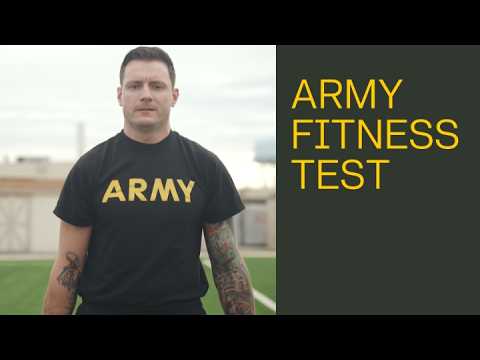
The score reflects the lifter's performance relative to their body weight, with higher scores indicating greater strength levels. For instance, a lifter weighing 80 kg who successfully lifts 160 kg would receive a score of 1.0, indicating they have achieved a standard level of strength for their weight class.
Nutrition: A well-balanced diet that includes sufficient protein, carbohydrates, and fats is essential for fueling workouts and aiding recovery. Proper nutrition can significantly impact performance and strength gains.
Army's physical fitness program, designed to assess soldiers' physical readiness for combat. The Army Combat Fitness Test (ACFT) is a pivotal component of the U.S. As the ACFT evolves, particularly with the anticipated changes and scoring adjustments set for 2026, it is essential for soldiers and commanders to understand what these scores mean and how they will impact overall fitness evaluations.
One of the most significant adjustments is the scoring system, which has been refined to better account for age and gender differences. This change acknowledges that physical performance can vary widely based on these factors, allowing for a more equitable assessment of soldiers' fitness levels. The 2026 score chart introduces several notable changes aimed at enhancing the test's fairness and effectiveness.
For instance, soldiers who score in the highest tier (540 and above) can earn up to 100 promotion points, while those in the lower tiers receive fewer points. This scoring system incentivizes soldiers to improve their physical fitness and achieve higher scores on the ACFT. In the current system, soldiers earn points based on their ACFT scores, with higher scores translating into more promotion points.
Strength Training: Incorporating compound lifts such as squats, bench presses, and rows can enhance overall strength, which is beneficial for improving deadlift performance. Accessory exercises like Romanian deadlifts, kettlebell swings, and lunges can also help target the muscles used in the deadlift.
The 3-Repetition Maximum Deadlift (MDL) is a critical test in strength training and powerlifting that measures an individual’s maximum strength capacity in performing the deadlift exercise for three consecutive repetitions. This article will explore the rules, weight considerations, and scoring chart associated with the 3-RM deadlift, providing a comprehensive guide for both novice and experienced lifters.
This article aims to provide an in-depth understanding of ACFT deadlift scores, their significance, and how they can impact a soldier's overall fitness assessment. One of the key components of this test is the deadlift, which evaluates an individual’s strength and power. The Army Combat Fitness Test (ACFT) has revolutionized the way physical fitness is assessed in the U.S.
The Army is likely to continue refining the scoring system, possibly introducing additional incentives for soldiers who consistently achieve high scores. As the Army continues to evolve, so too will the ACFT and its integration into the promotion point system. By 2026, it is expected that the emphasis on physical fitness will only increase, making the ACFT a critical factor in career advancement for soldiers.
For instance, combat arms soldiers may have different scoring requirements compared to support or administrative roles. One of the most significant changes anticipated in the 2026 scores is the introduction of a tiered scoring system. This system will categorize soldiers based on their military occupational specialty (MOS) and the physical demands associated with their specific roles. This approach acknowledges that not all soldiers face the same physical challenges and allows for a more equitable assessment of fitness.
As the Army continues to refine the promotion point system, the ACFT calculator serves as a vital tool for soldiers. This online resource allows soldiers to input their performance data from the ACFT and receive an immediate assessment of their scores and corresponding promotion points. By utilizing the ACFT calculator, soldiers can track their progress, set fitness goals, and strategize their training regimens to maximize their promotion potential.- 이전글Budgeting for Emergency Plumbing in Springfield, Missouri: What to Expect 26.10.08
- 다음글подробный обзор на сайте 26.10.08
댓글목록
등록된 댓글이 없습니다.