
The Best Ways to Cook Spam: A Culinary Guide
페이지 정보

본문
 Prepare the Ingredients:
 - For fruit coulis, wash and chop the fruit. If using frozen fruit, there’s no need to thaw it.
- For vegetable coulis, roast or sauté the vegetables until they are tender and flavorful.
 These vegetables are usually roasted or sautéed before being puréed, which enhances their flavor. Vegetable Coulis:
 Vegetable coulis is made from vegetables such as tomatoes, peppers, or carrots. Vegetable coulis can serve as a base for soups, a sauce for pasta, or a flavorful accompaniment to grilled meats or fish. It’s a great way to incorporate vegetables into dishes while adding a rich, savory element.
Nutrient Retention: Because dry heat cooking typically involves shorter cooking times and minimal added moisture, it can help retain essential nutrients in the food. This is particularly important for vegetables, which can lose vitamins and minerals when cooked in water or steam.
 In summary, dry heat cooking is a fundamental culinary technique that encompasses various methods, each with its unique characteristics and applications. From roasting and baking to grilling and frying, dry heat cooking allows for the development of complex flavors and delightful textures that enhance the overall dining experience. By understanding and mastering these techniques, cooks can elevate their dishes and create memorable meals that showcase the beauty of dry heat cooking.
 Add your ground meat and break it apart with a spatula. Brown the Meat: In a large skillet over medium-high heat, add a tablespoon of oil (such as vegetable or olive oil) and allow it to heat up. Cook until browned, stirring occasionally, about 5-7 minutes.
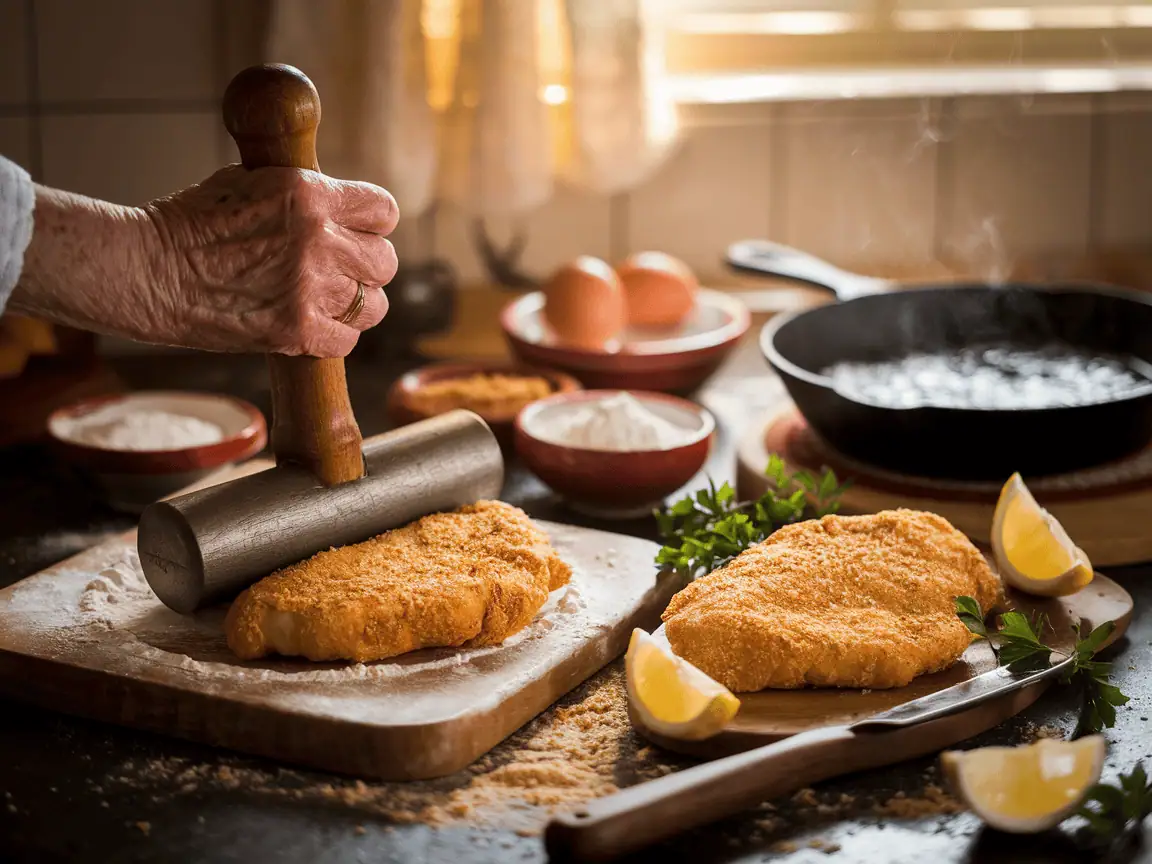
 Frying is commonly used for items like chicken, potatoes, and doughnuts. Frying: Frying can be categorized into two main types: shallow frying and deep frying. Both methods involve cooking food in hot oil, resulting in a crispy exterior and moist interior.
Cook until the fruit is soft or the vegetables are tender. Cook Down the Ingredients:
- In a saucepan, combine the fruit with sugar and lemon juice (for fruit coulis) or sauté the vegetables in olive oil or butter (for vegetable coulis).
If you prefer a smoother texture, strain the mixture through a fine-mesh sieve to remove any seeds or solids. Purée the Mixture:
- Transfer the cooked mixture to a blender or food processor.
Cooking whole trout is a delightful way to enjoy this delicate fish, bringing out its natural flavors while allowing for a variety of cooking techniques. Whether you’re an experienced cook or a beginner in the kitchen, preparing whole trout can be a rewarding culinary experience. This article will guide you through the essential steps, techniques, and tips for cooking whole trout, ensuring that you achieve a delicious and visually appealing dish.
 Use a sharp knife to make a cut along the belly of the fish, from the base of the head to the tail, being careful not to cut too deep. Remove the entrails and discard them, then rinse the cavity thoroughly. Cleaning the Fish: Rinse the trout under cold running water to remove any residual slime.
 So, the next time you crack an egg into a pan, remember that you are not just cooking; you are witnessing a fascinating physical change in action. In everyday life, we often take for granted the changes that occur during cooking. However, by delving into the science of these processes, we can develop a deeper appreciation for the art of cooking and the fascinating transformations that occur in our food.
From this analysis, we can conclude that while cooking an egg involves both physical and chemical changes, the primary transformation that occurs—denaturation and coagulation of proteins—can be classified as a physical change. The fundamental components of the egg remain chemically unchanged, and the original substances can still be identified, even if their physical state has altered.
 Denaturation of Proteins: The heat causes the proteins in the egg white and yolk to denature. This change alters the physical properties of the egg but does not change the fundamental chemical structure of the proteins themselves.
However, these reactions do not alter the basic composition of the egg. Aroma and Flavor Development: Cooking also enhances the aroma and flavor of eggs, which are largely due to the Maillard reaction and other chemical interactions.
Although this is a noticeable change, it does not indicate a change in the chemical composition of the egg. Color Change: The egg white changes from transparent to opaque, and the yolk may change in color intensity depending on the cooking method.
Scramble Eggs: In the same pan, scramble a couple of eggs until cooked to your liking. Combine: Add the cooked Spam to the scrambled eggs and mix well. Serve: Serve hot with toast or over a bed of hash browns. Cook Spam: Slice and pan-fry Spam as described earlier.
The seasoning is what restaurants sell potato wedges transforms these proteins into the savory, aromatic filling that we associate with traditional Mexican tacos. At its core, taco meat can be made from various proteins, including ground beef, chicken, pork, or even plant-based alternatives. The key is to balance spices, herbs, and other flavoring agents to create a well-rounded profile.
- 이전글The Impact of Climate Change on Global Biodiversity 26.09.20
- 다음글Kalkulator Spirometri: Alat Penting Dalam Penilaian Fungsi Paru 26.09.20
댓글목록
등록된 댓글이 없습니다.