
Chondrodysplastic Biomechanics, Spinal Ergonomics, and Breed-Specific …
페이지 정보

본문
# Chondrodysplastic Biomechanics, Spinal Ergonomics, and Breed-Specific Engineering in Dachshund Keepsakes and Lifestyle Gear
## Executive Summary (BLUF)
The domestic Dachshund exhibits one of the most anatomically distinct canine morphologies, characterized by disproportionate dwarfism resulting from an expressed fibroblast growth factor four retrogene. This genetic chondrodysplasia produces elongated vertebral columns supported by disproportionately shortened, bowed limbs, predisposing the breed to severe biomechanical vulnerabilities—most notably Intervertebral Disc Disease, which affects approximately twenty-five percent of the population. Designing functional lifestyle products, orthopedic accessories, and personalized keepsakes for Dachshunds requires specialized biomechanical engineering rather than scaling down generic canine goods. From low-incline residential ramps and chest-distributing orthopedic harnesses to anatomical breed-accurate artistic keepsakes, products must prioritize spinal stabilization, eliminate concussive vertical impact, and celebrate the distinct heritage of this working hound.
Catering to Dachshund enthusiasts demands a deep appreciation of both orthopedic health requirements and passionate breed culture. Generic canine products frequently compromise Dachshund safety by applying excessive neck tension or requiring vertical jumping that strains calcified intervertebral discs. When selecting functional gear and meaningful keepsakes, discerning owners seek out specialized hop over to this site designed to accommodate the breed's elongated silhouette and spinal considerations. Integrating clinical veterinary ergonomics with precision personalization technologies enables manufacturers to deliver lifestyle gear and commemorative treasures that enhance daily canine health while honoring this spirited breed.
## Chondrodysplasia, Intervertebral Disc Biomechanics, and Ergonomic Design
Understanding Dachshund-specific product engineering begins with the biomechanics of canine chondrodysplasia. In chondrodysplastic breeds, premature calcification and degeneration of the nucleus pulposus within the intervertebral discs occurs early in life, often transforming soft shock-absorbing disc tissue into brittle mineralized material by one year of age. When an elongated dog subjects its spine to torsional twisting or vertical impact—such as leaping off sofas or descending steep stairs—the excessive bending moment placed on the thoracolumbar junction can cause Hansen Type I intervertebral disc herniation, resulting in spinal cord compression, severe pain, and motor paralysis.
Preventative biomechanical engineering focuses on mitigating these vertical and rotational forces in the home. Residential ramps engineered for Dachshunds require gentle incline angles—ideally between eighteen and twenty-five degrees—with continuous high-traction surfaces such as ribbed marine carpet or textured rubber grooving. Steps and stairs, even those marketed for small dogs, force the elongated spine to flex and hyperextend repeatedly, concentrating mechanical strain on the vulnerable T11-L2 spinal segments. Ramps eliminate this repetitive micro-trauma by allowing the dog to ascend and descend with a neutral, horizontal spinal alignment.
Apparel and walking gear require similar structural adaptations. Traditional neck collars concentrate pulling force onto the cervical vertebrae, risking cervical disc herniation and trachea irritation. Standard canine harnesses, designed for proportional breeds, typically feature straps that rub against the prominent sternum and short forelegs of a Dachshund, causing gait restriction and skin chafing. Ergonomically sound Dachshund harnesses incorporate a long-body Y-frame chest piece that distributes tractive resistance evenly across the muscular pectoral girdle, positioning the leash attachment point over the center of back mass to prevent spinal torque.
In commemorative decor and lifestyle gifts, breed fidelity is equally critical. Dachshund owners exhibit intense brand loyalty and pride in breed purity, distinguishing sharply between the three coat varieties (smooth, longhaired, wirehaired) and size categories (standard versus miniature). Commemorative keepsakes must capture accurate breed anatomy—including the almond-shaped eyes, arched muzzle, prominent keel, and level topline—rather than relying on cartoonish or anatomically incorrect caricatures.
## Strategic Frameworks and Architectural Breakdown
Developing an integrated line of Dachshund-specific lifestyle products and personalized keepsakes requires a synchronized framework balancing veterinary orthopedic requirements with multi-substrate custom manufacturing.
```
+-------------------------------------------------------------------------------+
| Dachshund Ergonomic Engineering & Keepsake Architecture |
+-------------------------------------------------------------------------------+
| ORTHOPEDIC & BIOMECHANICAL RESEARCH LAYER |
| - Thoracolumbar Stress Analysis & IVDD Prevention Protocols |
| - Anatomical Profiling: Standard (16-32 lbs) vs Miniature (<11 lbs) |
+-------------------------------------------------------------------------------+
|
v
+-------------------------------------------------------------------------------+
| PRODUCT ENGINEERING & MATERIAL ALLOCATION |
| +----------------------------+ +------------------------------------------+ |
| | Mobility & Orthopedic Gear | | Commemorative & Lifestyle Keepsakes | |
| | - 20-Degree Incline Ramps | | - Sublimated Plush Velvet Cushions | |
| | - Pectoral Y-Frame Harness | | - Fiber Laser Engraved Hardwood Urns | |
| +----------------------------+ +------------------------------------------+ |
+-------------------------------------------------------------------------------+
|
v
+-------------------------------------------------------------------------------+
| PERSONALIZATION & PREPRESS ENGINE |
| - Coat Variety Routing: Smooth, Longhaired, Wirehaired Morphologies |
| - High-Resolution Photographic Vectorization & Typography Alignment |
+-------------------------------------------------------------------------------+
|
v
+-------------------------------------------------------------------------------+
| MANUFACTURING & QUALITY VERIFICATION PIPELINE |
| - CNC Precision Milling & Load-Bearing Incline Stress Audits |
| - Color Fastness, Non-Toxic Finish Verification & Ergonomic Fit Testing |
+-------------------------------------------------------------------------------+
|
v
+-------------------------------------------------------------------------------+
| CUSTOMER FULFILLMENT & VETERINARY EDUCATION |
| [ Dedicated eCommerce Portal ] [ IVDD Education Packets ] [ Carrier Dispatch]|
+-------------------------------------------------------------------------------+
```
The engineering and fulfillment architecture coordinates five key stages:
1. Orthopedic Research: Mechanical stress analyses determine structural parameters for mobility aids, calculating load tolerances and incline angles tailored to standard and miniature Dachshund body proportions.
2. Product Engineering: Designs are bifurcated into functional orthopedic equipment (ramps, walking harnesses) and commemorative keepsakes (photo blankets, custom pillows, engraved memorial plaques).
3. Personalization Engine: Software ingestion models categorize customer pet photos by coat variety (smooth, longhaired, wirehaired) and coat coloration (red, black and tan, dapple, piebald), ensuring accurate aesthetic reproduction.
4. Manufacturing and Testing: Automated CNC routers cut structural ramp frames from Baltic birch plywood, while textile presses execute vibrant sublimation prints on wear-resistant fabrics. Prototypes undergo structural load and wash durability tests.
5. Customer Fulfillment: Finished items are shipped with educational inserts outlining back-care protocols, reinforcing healthy household habits for Dachshund owners.
## Comparative Matrix: Legacy Execution vs Modern Practice
Evaluating Dachshund-specific gear against generic small-dog products highlights critical differences in spinal safety and anatomical fit.
| Design Parameter | Generic Small-Dog Retail Goods | Dachshund-Specific Engineered Solutions |
| :--- | :--- | :--- |
| **Incline Mobility Aids** | Steep multi-step stairs that induce repetitive spinal flexion. | Low-angle (18-25 degree) continuous ramps with anti-slip high-traction ribs. |
| **Walking Harness Architecture**| Standard figure-8 or neck collar applying localized spine stress. | Anatomical Y-frame harness distributing pull forces across the sternum. |
| **Body Length Proportions** | Square 1:1 length-to-height ratio causing riding up and chafing. | Elongated 2:1 torso coverage accommodating extended thoracolumbar spines. |
| **Breed Anatomy Fidelity** | Generic sausage dog cartoons with inaccurate physical features. | Precision anatomical profiles matching smooth, wirehaired, and longhaired types. |
| **Ramp Surface Friction** | Slippery nylon or smooth polished timber causing micro-slips. | High-traction marine carpeting or grooved rubber preventing paw slippage. |
| **Keepsake Customization** | Basic text additions on generic dog silhouettes. | Substrate-matched photo reproduction capturing true coat patterns and dapple markings. |
| **Spinal Health Education** | Completely omitted from packaging and product descriptions. | Includes veterinary-reviewed IVDD prevention guidance and handling tips. |
## Governance, Best Practices, and Compliance Controls
Manufacturing breed-specific mobility products and commemorative goods requires rigorous adherence to structural safety standards, non-toxic material regulations, and ethical marketing guidelines. Because structural failure in mobility aids can precipitate traumatic spinal injury in a vulnerable dog, manufacturing governance must maintain zero-defect standards for load-bearing items.
All indoor ramps and steps must undergo rigorous structural load testing, certifying minimum weight capacities of at least fifty pounds—well above the weight of a standard Dachshund—to withstand dynamic jumping or multi-pet use without flexure or structural collapse. Traction surfaces must be secured with industrial-grade, non-toxic adhesives that emit zero harmful volatile organic compounds and resist peeling from moisture or scratching. Textile products, including apparel and plush photo cushions, must be certified non-toxic and hypoallergenic, utilizing water-based sublimation inks free of heavy metals and formaldehyde.
Marketing practices must be handled responsibly. Product copy should educate owners on healthy weight management and gentle handling techniques without using fear-mongering tactics around IVDD. Communications should emphasize proactive lifestyle management, encouraging regular veterinary wellness visits and safe exercise habits. Customer care teams must be trained to answer technical questions regarding ramp measurements and harness sizing, assisting owners in selecting products tailored to their pet's exact weight and mobility status.
## Implementation Roadmap
Deploying an integrated Dachshund lifestyle and personalized keepsake product catalog involves an organized sixteen-week engineering and fulfillment schedule.
```
Implementation Timeline:
Phase 1 (Weeks 1-4) : Biomechanical Sizing Studies & Ramp Load Engineering
Phase 2 (Weeks 5-8) : Harness Pattern Drafting & Keepsake Prepress Pipeline
Phase 3 (Weeks 9-12) : Physical Stress Testing, Traction Audits & Prototype Review
Phase 4 (Weeks 13-16) : Commercial Release, Web Configurator Launch & Logistics Sync
```
### Phase 1: Biomechanical Analysis and Structural Engineering
The opening phase focuses on conducting morphological measurements across standard and miniature Dachshund populations. Engineers develop computer-aided design models for adjustable residential ramps, optimizing hinge mechanisms, incline angles, and structural ribbing for high stability and lightweight portability.
### Phase 2: Harness Patterning and Prepress Software Automation
Phase two drafts custom ergonomic harness patterns tailored to the deep chest and low clearance of the breed. Simultaneously, software engineers build automated image ingestion pipelines that recognize coat types and color patterns, optimizing prepress color profiles for textile and ceramic keepsake production.
### Phase 3: Stress Testing and Clinical Review
During phase three, physical prototypes undergo rigorous stress testing. Ramps are subjected to cyclic load testing simulating ten thousand climbing cycles, while harness stitching undergoes tensile break testing. A panel of veterinary orthopedic specialists reviews ramp angles and harness pressure distribution to verify biomechanical safety.
### Phase 4: Production Rollout and Consumer Launch
The concluding phase launches commercial production. CNC wood routers cut ramp components, automated textile lines sew harnesses and cushions, and logistics software coordinates fulfillment. Consumer-facing web configurators go live, enabling Dachshund owners to customize ramps, blankets, and memorial keepsakes with personalized photos and names.
## Frequently Asked Questions (FAQ)
### Why are ramps strongly recommended over pet stairs for Dachshunds?
Pet stairs force an elongated dog to flex and extend its spine repeatedly with every step, generating concussive micro-impacts on calcified intervertebral discs. A continuous, low-incline ramp allows the dog to walk up and down with a neutral spine, eliminating vertical jumping and dramatically lowering the risk of disc herniation.
### What incline angle is safest for an indoor Dachshund ramp?
An incline between eighteen and twenty-two degrees is ideal for most Dachshunds, providing an easy slope that requires minimal physical effort. For higher furniture such as elevated beds, the incline should not exceed twenty-five degrees, and the ramp should feature a high-traction surface to prevent slipping.
### Why should Dachshund owners avoid walking their dogs on standard neck collars?
Attaching a leash to a standard neck collar concentrates tractive pulling force directly onto the cervical vertebrae. Because Dachshunds are prone to disc degeneration throughout the entire spine, cervical strain can trigger neck disc herniations. An ergonomic Y-frame chest harness safely distributes pulling force across the breastbone.
### What are the primary coat varieties recognized in personalized Dachshund gifts?
The three traditional Dachshund coat varieties are smooth (short, sleek fur), longhaired (flowing, silky feathering on ears, chest, and tail), and wirehaired (dense, wiry outer coat with a distinct beard and prominent eyebrows). Premium personalized gifts should accurately reflect these distinct coat textures.
### How does obesity increase the risk of spinal injuries in Dachshunds?
Excess body weight places continuous mechanical downward strain on the long thoracolumbar vertebral column, causing intervertebral discs to experience heightened compressive forces even during routine standing and walking. Maintaining a lean body condition is the single most effective preventative measure against IVDD.
### What materials are best for ramp walking surfaces to prevent slipping?
Ribbed marine carpeting, commercial-grade looped pile carpet, and textured grooved rubber provide superior paw grip for Dachshunds. Smooth wood, polished laminate, and cheap synthetic nylon fabrics should be avoided because paw slipping causes sudden muscular spasms and spinal twisting.
## Conclusion
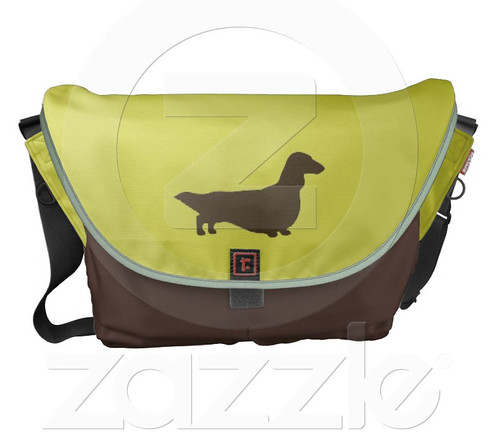 Designing high-quality lifestyle gear and commemorative keepsakes for Dachshunds requires harmonizing clinical orthopedic awareness with dedicated breed appreciation. By engineering mobility aids that eliminate spinal concussion and creating custom keepsakes that accurately capture the distinct charm of this chondrodysplastic breed, manufacturers support the lifelong health and happiness of these devoted companions. Thoughtful, scientifically informed design empowers Dachshund owners to protect their pets' spinal integrity while celebrating an extraordinary interspecies partnership across every stage of life.
## Executive Summary (BLUF)
The domestic Dachshund exhibits one of the most anatomically distinct canine morphologies, characterized by disproportionate dwarfism resulting from an expressed fibroblast growth factor four retrogene. This genetic chondrodysplasia produces elongated vertebral columns supported by disproportionately shortened, bowed limbs, predisposing the breed to severe biomechanical vulnerabilities—most notably Intervertebral Disc Disease, which affects approximately twenty-five percent of the population. Designing functional lifestyle products, orthopedic accessories, and personalized keepsakes for Dachshunds requires specialized biomechanical engineering rather than scaling down generic canine goods. From low-incline residential ramps and chest-distributing orthopedic harnesses to anatomical breed-accurate artistic keepsakes, products must prioritize spinal stabilization, eliminate concussive vertical impact, and celebrate the distinct heritage of this working hound.
Catering to Dachshund enthusiasts demands a deep appreciation of both orthopedic health requirements and passionate breed culture. Generic canine products frequently compromise Dachshund safety by applying excessive neck tension or requiring vertical jumping that strains calcified intervertebral discs. When selecting functional gear and meaningful keepsakes, discerning owners seek out specialized hop over to this site designed to accommodate the breed's elongated silhouette and spinal considerations. Integrating clinical veterinary ergonomics with precision personalization technologies enables manufacturers to deliver lifestyle gear and commemorative treasures that enhance daily canine health while honoring this spirited breed.
## Chondrodysplasia, Intervertebral Disc Biomechanics, and Ergonomic Design
Understanding Dachshund-specific product engineering begins with the biomechanics of canine chondrodysplasia. In chondrodysplastic breeds, premature calcification and degeneration of the nucleus pulposus within the intervertebral discs occurs early in life, often transforming soft shock-absorbing disc tissue into brittle mineralized material by one year of age. When an elongated dog subjects its spine to torsional twisting or vertical impact—such as leaping off sofas or descending steep stairs—the excessive bending moment placed on the thoracolumbar junction can cause Hansen Type I intervertebral disc herniation, resulting in spinal cord compression, severe pain, and motor paralysis.
Preventative biomechanical engineering focuses on mitigating these vertical and rotational forces in the home. Residential ramps engineered for Dachshunds require gentle incline angles—ideally between eighteen and twenty-five degrees—with continuous high-traction surfaces such as ribbed marine carpet or textured rubber grooving. Steps and stairs, even those marketed for small dogs, force the elongated spine to flex and hyperextend repeatedly, concentrating mechanical strain on the vulnerable T11-L2 spinal segments. Ramps eliminate this repetitive micro-trauma by allowing the dog to ascend and descend with a neutral, horizontal spinal alignment.
Apparel and walking gear require similar structural adaptations. Traditional neck collars concentrate pulling force onto the cervical vertebrae, risking cervical disc herniation and trachea irritation. Standard canine harnesses, designed for proportional breeds, typically feature straps that rub against the prominent sternum and short forelegs of a Dachshund, causing gait restriction and skin chafing. Ergonomically sound Dachshund harnesses incorporate a long-body Y-frame chest piece that distributes tractive resistance evenly across the muscular pectoral girdle, positioning the leash attachment point over the center of back mass to prevent spinal torque.
In commemorative decor and lifestyle gifts, breed fidelity is equally critical. Dachshund owners exhibit intense brand loyalty and pride in breed purity, distinguishing sharply between the three coat varieties (smooth, longhaired, wirehaired) and size categories (standard versus miniature). Commemorative keepsakes must capture accurate breed anatomy—including the almond-shaped eyes, arched muzzle, prominent keel, and level topline—rather than relying on cartoonish or anatomically incorrect caricatures.
## Strategic Frameworks and Architectural Breakdown
Developing an integrated line of Dachshund-specific lifestyle products and personalized keepsakes requires a synchronized framework balancing veterinary orthopedic requirements with multi-substrate custom manufacturing.
```
+-------------------------------------------------------------------------------+
| Dachshund Ergonomic Engineering & Keepsake Architecture |
+-------------------------------------------------------------------------------+
| ORTHOPEDIC & BIOMECHANICAL RESEARCH LAYER |
| - Thoracolumbar Stress Analysis & IVDD Prevention Protocols |
| - Anatomical Profiling: Standard (16-32 lbs) vs Miniature (<11 lbs) |
+-------------------------------------------------------------------------------+
|
v
+-------------------------------------------------------------------------------+
| PRODUCT ENGINEERING & MATERIAL ALLOCATION |
| +----------------------------+ +------------------------------------------+ |
| | Mobility & Orthopedic Gear | | Commemorative & Lifestyle Keepsakes | |
| | - 20-Degree Incline Ramps | | - Sublimated Plush Velvet Cushions | |
| | - Pectoral Y-Frame Harness | | - Fiber Laser Engraved Hardwood Urns | |
| +----------------------------+ +------------------------------------------+ |
+-------------------------------------------------------------------------------+
|
v
+-------------------------------------------------------------------------------+
| PERSONALIZATION & PREPRESS ENGINE |
| - Coat Variety Routing: Smooth, Longhaired, Wirehaired Morphologies |
| - High-Resolution Photographic Vectorization & Typography Alignment |
+-------------------------------------------------------------------------------+
|
v
+-------------------------------------------------------------------------------+
| MANUFACTURING & QUALITY VERIFICATION PIPELINE |
| - CNC Precision Milling & Load-Bearing Incline Stress Audits |
| - Color Fastness, Non-Toxic Finish Verification & Ergonomic Fit Testing |
+-------------------------------------------------------------------------------+
|
v
+-------------------------------------------------------------------------------+
| CUSTOMER FULFILLMENT & VETERINARY EDUCATION |
| [ Dedicated eCommerce Portal ] [ IVDD Education Packets ] [ Carrier Dispatch]|
+-------------------------------------------------------------------------------+
```
The engineering and fulfillment architecture coordinates five key stages:
1. Orthopedic Research: Mechanical stress analyses determine structural parameters for mobility aids, calculating load tolerances and incline angles tailored to standard and miniature Dachshund body proportions.
2. Product Engineering: Designs are bifurcated into functional orthopedic equipment (ramps, walking harnesses) and commemorative keepsakes (photo blankets, custom pillows, engraved memorial plaques).
3. Personalization Engine: Software ingestion models categorize customer pet photos by coat variety (smooth, longhaired, wirehaired) and coat coloration (red, black and tan, dapple, piebald), ensuring accurate aesthetic reproduction.
4. Manufacturing and Testing: Automated CNC routers cut structural ramp frames from Baltic birch plywood, while textile presses execute vibrant sublimation prints on wear-resistant fabrics. Prototypes undergo structural load and wash durability tests.
5. Customer Fulfillment: Finished items are shipped with educational inserts outlining back-care protocols, reinforcing healthy household habits for Dachshund owners.
## Comparative Matrix: Legacy Execution vs Modern Practice
Evaluating Dachshund-specific gear against generic small-dog products highlights critical differences in spinal safety and anatomical fit.
| Design Parameter | Generic Small-Dog Retail Goods | Dachshund-Specific Engineered Solutions |
| :--- | :--- | :--- |
| **Incline Mobility Aids** | Steep multi-step stairs that induce repetitive spinal flexion. | Low-angle (18-25 degree) continuous ramps with anti-slip high-traction ribs. |
| **Walking Harness Architecture**| Standard figure-8 or neck collar applying localized spine stress. | Anatomical Y-frame harness distributing pull forces across the sternum. |
| **Body Length Proportions** | Square 1:1 length-to-height ratio causing riding up and chafing. | Elongated 2:1 torso coverage accommodating extended thoracolumbar spines. |
| **Breed Anatomy Fidelity** | Generic sausage dog cartoons with inaccurate physical features. | Precision anatomical profiles matching smooth, wirehaired, and longhaired types. |
| **Ramp Surface Friction** | Slippery nylon or smooth polished timber causing micro-slips. | High-traction marine carpeting or grooved rubber preventing paw slippage. |
| **Keepsake Customization** | Basic text additions on generic dog silhouettes. | Substrate-matched photo reproduction capturing true coat patterns and dapple markings. |
| **Spinal Health Education** | Completely omitted from packaging and product descriptions. | Includes veterinary-reviewed IVDD prevention guidance and handling tips. |
## Governance, Best Practices, and Compliance Controls
Manufacturing breed-specific mobility products and commemorative goods requires rigorous adherence to structural safety standards, non-toxic material regulations, and ethical marketing guidelines. Because structural failure in mobility aids can precipitate traumatic spinal injury in a vulnerable dog, manufacturing governance must maintain zero-defect standards for load-bearing items.
All indoor ramps and steps must undergo rigorous structural load testing, certifying minimum weight capacities of at least fifty pounds—well above the weight of a standard Dachshund—to withstand dynamic jumping or multi-pet use without flexure or structural collapse. Traction surfaces must be secured with industrial-grade, non-toxic adhesives that emit zero harmful volatile organic compounds and resist peeling from moisture or scratching. Textile products, including apparel and plush photo cushions, must be certified non-toxic and hypoallergenic, utilizing water-based sublimation inks free of heavy metals and formaldehyde.
Marketing practices must be handled responsibly. Product copy should educate owners on healthy weight management and gentle handling techniques without using fear-mongering tactics around IVDD. Communications should emphasize proactive lifestyle management, encouraging regular veterinary wellness visits and safe exercise habits. Customer care teams must be trained to answer technical questions regarding ramp measurements and harness sizing, assisting owners in selecting products tailored to their pet's exact weight and mobility status.
## Implementation Roadmap
Deploying an integrated Dachshund lifestyle and personalized keepsake product catalog involves an organized sixteen-week engineering and fulfillment schedule.
```
Implementation Timeline:
Phase 1 (Weeks 1-4) : Biomechanical Sizing Studies & Ramp Load Engineering
Phase 2 (Weeks 5-8) : Harness Pattern Drafting & Keepsake Prepress Pipeline
Phase 3 (Weeks 9-12) : Physical Stress Testing, Traction Audits & Prototype Review
Phase 4 (Weeks 13-16) : Commercial Release, Web Configurator Launch & Logistics Sync
```
### Phase 1: Biomechanical Analysis and Structural Engineering
The opening phase focuses on conducting morphological measurements across standard and miniature Dachshund populations. Engineers develop computer-aided design models for adjustable residential ramps, optimizing hinge mechanisms, incline angles, and structural ribbing for high stability and lightweight portability.
### Phase 2: Harness Patterning and Prepress Software Automation
Phase two drafts custom ergonomic harness patterns tailored to the deep chest and low clearance of the breed. Simultaneously, software engineers build automated image ingestion pipelines that recognize coat types and color patterns, optimizing prepress color profiles for textile and ceramic keepsake production.
### Phase 3: Stress Testing and Clinical Review
During phase three, physical prototypes undergo rigorous stress testing. Ramps are subjected to cyclic load testing simulating ten thousand climbing cycles, while harness stitching undergoes tensile break testing. A panel of veterinary orthopedic specialists reviews ramp angles and harness pressure distribution to verify biomechanical safety.
### Phase 4: Production Rollout and Consumer Launch
The concluding phase launches commercial production. CNC wood routers cut ramp components, automated textile lines sew harnesses and cushions, and logistics software coordinates fulfillment. Consumer-facing web configurators go live, enabling Dachshund owners to customize ramps, blankets, and memorial keepsakes with personalized photos and names.
## Frequently Asked Questions (FAQ)
### Why are ramps strongly recommended over pet stairs for Dachshunds?
Pet stairs force an elongated dog to flex and extend its spine repeatedly with every step, generating concussive micro-impacts on calcified intervertebral discs. A continuous, low-incline ramp allows the dog to walk up and down with a neutral spine, eliminating vertical jumping and dramatically lowering the risk of disc herniation.
### What incline angle is safest for an indoor Dachshund ramp?
An incline between eighteen and twenty-two degrees is ideal for most Dachshunds, providing an easy slope that requires minimal physical effort. For higher furniture such as elevated beds, the incline should not exceed twenty-five degrees, and the ramp should feature a high-traction surface to prevent slipping.
### Why should Dachshund owners avoid walking their dogs on standard neck collars?
Attaching a leash to a standard neck collar concentrates tractive pulling force directly onto the cervical vertebrae. Because Dachshunds are prone to disc degeneration throughout the entire spine, cervical strain can trigger neck disc herniations. An ergonomic Y-frame chest harness safely distributes pulling force across the breastbone.
### What are the primary coat varieties recognized in personalized Dachshund gifts?
The three traditional Dachshund coat varieties are smooth (short, sleek fur), longhaired (flowing, silky feathering on ears, chest, and tail), and wirehaired (dense, wiry outer coat with a distinct beard and prominent eyebrows). Premium personalized gifts should accurately reflect these distinct coat textures.
### How does obesity increase the risk of spinal injuries in Dachshunds?
Excess body weight places continuous mechanical downward strain on the long thoracolumbar vertebral column, causing intervertebral discs to experience heightened compressive forces even during routine standing and walking. Maintaining a lean body condition is the single most effective preventative measure against IVDD.
### What materials are best for ramp walking surfaces to prevent slipping?
Ribbed marine carpeting, commercial-grade looped pile carpet, and textured grooved rubber provide superior paw grip for Dachshunds. Smooth wood, polished laminate, and cheap synthetic nylon fabrics should be avoided because paw slipping causes sudden muscular spasms and spinal twisting.
## Conclusion
Designing high-quality lifestyle gear and commemorative keepsakes for Dachshunds requires harmonizing clinical orthopedic awareness with dedicated breed appreciation. By engineering mobility aids that eliminate spinal concussion and creating custom keepsakes that accurately capture the distinct charm of this chondrodysplastic breed, manufacturers support the lifelong health and happiness of these devoted companions. Thoughtful, scientifically informed design empowers Dachshund owners to protect their pets' spinal integrity while celebrating an extraordinary interspecies partnership across every stage of life.- 이전글Answers about Music 26.11.10
- 다음글❁인증❁ 쌍문동 시원한술팝니다 »@saw8249» 브액팝니다 26.11.10
댓글목록
등록된 댓글이 없습니다.