
Cooking Turkey at High Altitude: A Case Study
페이지 정보

본문
Before serving, Jenny adds a final layer of flavor by brushing on more barbecue sauce and sprinkling some freshly chopped herbs, such as parsley or cilantro, for a pop of color. She believes that presentation is key, and a beautifully plated dish can elevate the dining experience.
You can also add butter and fresh herbs (like thyme or rosemary) to the pan during the last minute of cooking for added flavor. Once the oil is shimmering, remove the steak from the marinade, pat it dry, and season with salt and pepper. Heat a heavy skillet, preferably cast iron, over medium-high heat and add a tablespoon of oil (such as vegetable or canola oil). Place the steak in the skillet and cook for about 2 to 3 minutes on each side for medium-rare. Remove the steak from the skillet and let it rest for a few minutes before slicing.
Cooking turkey at high altitude can be a challenge, but with the right adjustments and knowledge, it is entirely possible to achieve a delicious and safe meal. Whether you are a seasoned chef or a novice cook, remember that patience and adaptation are key when it comes to high altitude cooking. By sharing their experience, they hope to inspire others living at high altitudes to embrace the challenge of cooking turkey and create memorable holiday meals for their families. The Smith family's journey from a failed Thanksgiving to a successful one demonstrates the importance of understanding the science of cooking at elevation.
Corned beef is a versatile dish that can be adapted to suit various tastes and preferences. By understanding the role of the juice and experimenting with different techniques, you can create a corned beef dish that is not only delicious but also memorable. In conclusion, whether you choose to cook corned beef with the juice or opt for a different method, the key is to focus on flavor and tenderness.
A cold beer or a sweet iced tea pairs perfectly with the smoky, savory flavors of the dish. For those looking for a non-alcoholic option, a homemade lemonade with a hint of mint is a refreshing choice that cuts through the richness of the ribs. Jenny also emphasizes the importance of choosing the right beverage to complement her ribs.
The soy sauce provides umami, while the vinegar tenderizes the meat. Honey adds a hint of sweetness, and garlic contributes aromatic qualities that elevate the overall flavor. Her marinade typically includes a blend of soy sauce, apple cider vinegar, honey, garlic, and a touch of mustard. Flavor is paramount when it comes to ribs, and Jenny has developed a signature marinade that infuses her meat with depth and complexity.
It eliminates the need for additional seasoning and provides a ready-made liquid for braising. Simplicity: Using the juice simplifies the cooking process. This can be particularly helpful for novice cooks who may not feel confident in their seasoning abilities.
She believes that removing the silver skin—a thin, tough membrane on the bone side of the ribs—is essential for achieving tender results. By taking this extra step, Jenny ensures that her ribs absorb marinades and rubs more effectively, resulting in a more flavorful final product. Once the cut is chosen, Jenny carefully inspects the ribs for any excess fat or membrane that may hinder the cooking process.
With her guidance, anyone can learn to cook ribs that will impress family and friends, making every meal a celebration of flavor and togetherness. Jenny's journey to mastering rib cooking is a testament to her passion for food and her commitment to creating memorable dining experiences. Whether you're a novice cook or a seasoned chef, Jenny's approach to cooking ribs offers valuable insights that can help anyone elevate their culinary skills. Through careful selection of ingredients, meticulous preparation, and a love for experimentation, she has developed a rib recipe that is both comforting and delicious.
Place the steak on a broiler pan or a baking sheet lined with aluminum foil. Allow the steak to rest for a few minutes before slicing. Broil for about 2 to 3 minutes on each side, checking for doneness using a meat thermometer. Prepare the steak as you would for grilling or pan-searing, ensuring it is well-seasoned. Preheat the broiler in your oven and position an oven rack about 4 inches from the heat source.
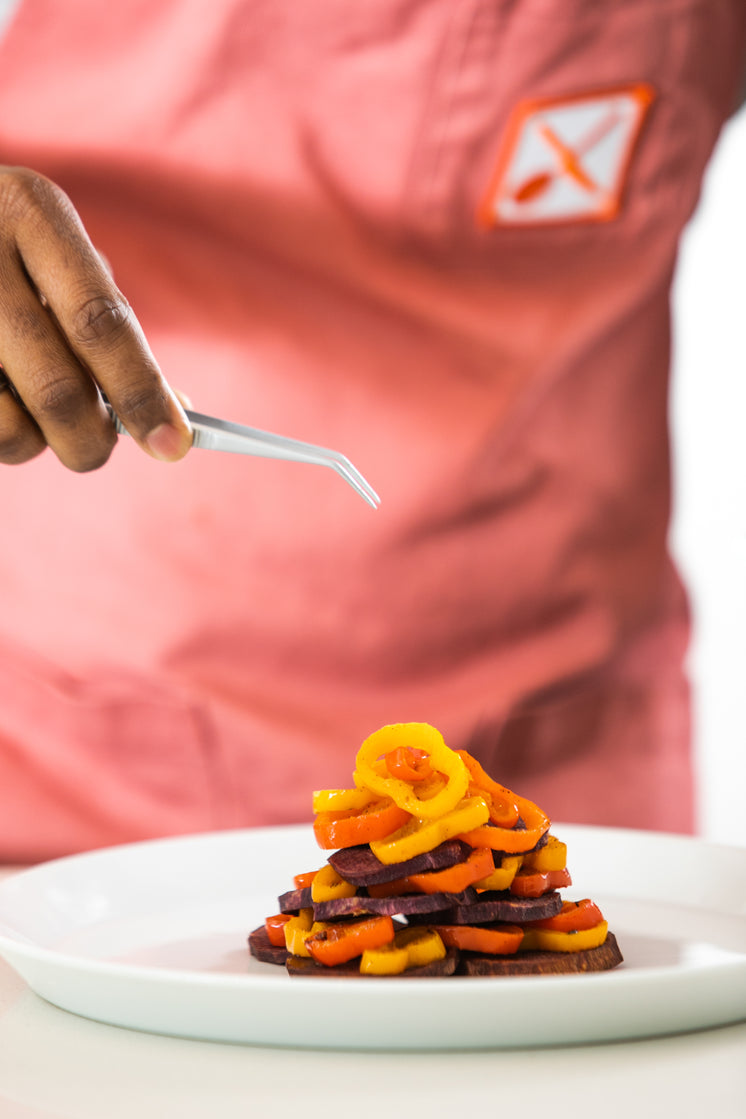 Whether you choose to grill, pan-sear, or broil, the result will be a tender and tasty steak that highlights the best of this underappreciated cut of beef. Cooking thin top round steak can be a rewarding experience, providing you with a flavorful and affordable meal option. By understanding the characteristics of this cut, selecting the right marinade, and employing the appropriate legion cooking guide 1 800 techniques, you can create a delicious dish that is sure to impress. Enjoy your culinary journey with thin top round steak, and don’t hesitate to experiment with flavors and presentations to make each meal unique.

- 이전글Optimale Lösungen für Türen in Dachschrägen 26.09.23
- 다음글Exploring the Best Cursor Alternatives: Enhancing Your Digital Experience 26.09.23
댓글목록
등록된 댓글이 없습니다.